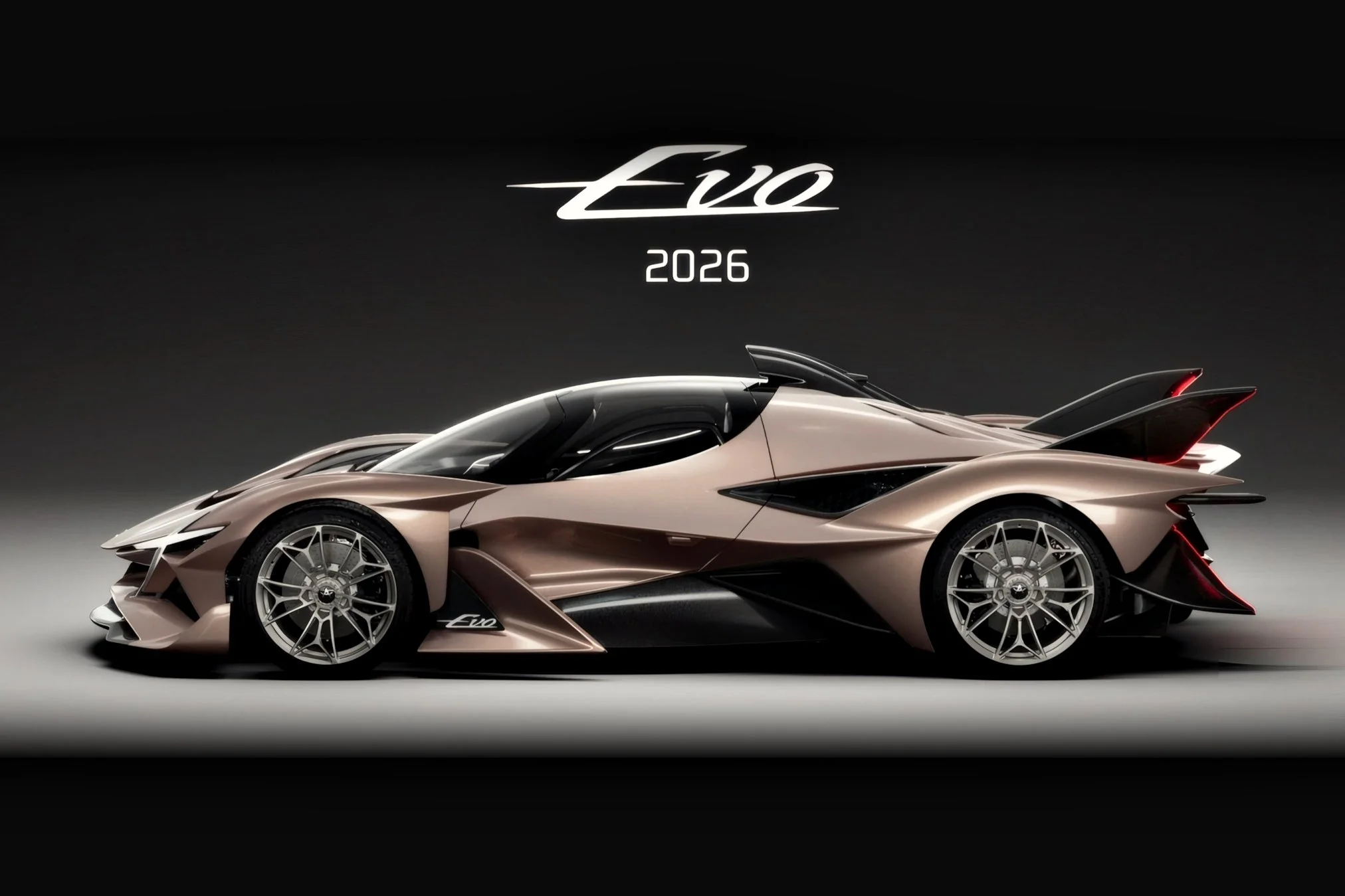
Highlights: Apollo Evo Production 2026

Apollo EVO hypercar

The car where the structure is the design

A production design of taking a €3M hypercar from concept handoff to full delivery specification

In compliance with my non-disclosure agreement with IDEENION Automobil AG and Apollo Automobil, I’ve omitted confidential technical data and proprietary specifications from this project.
The insights shared here are my own and don’t necessarily reflect the views of Apollo or IDEENION.

Ten cars. That’s it.

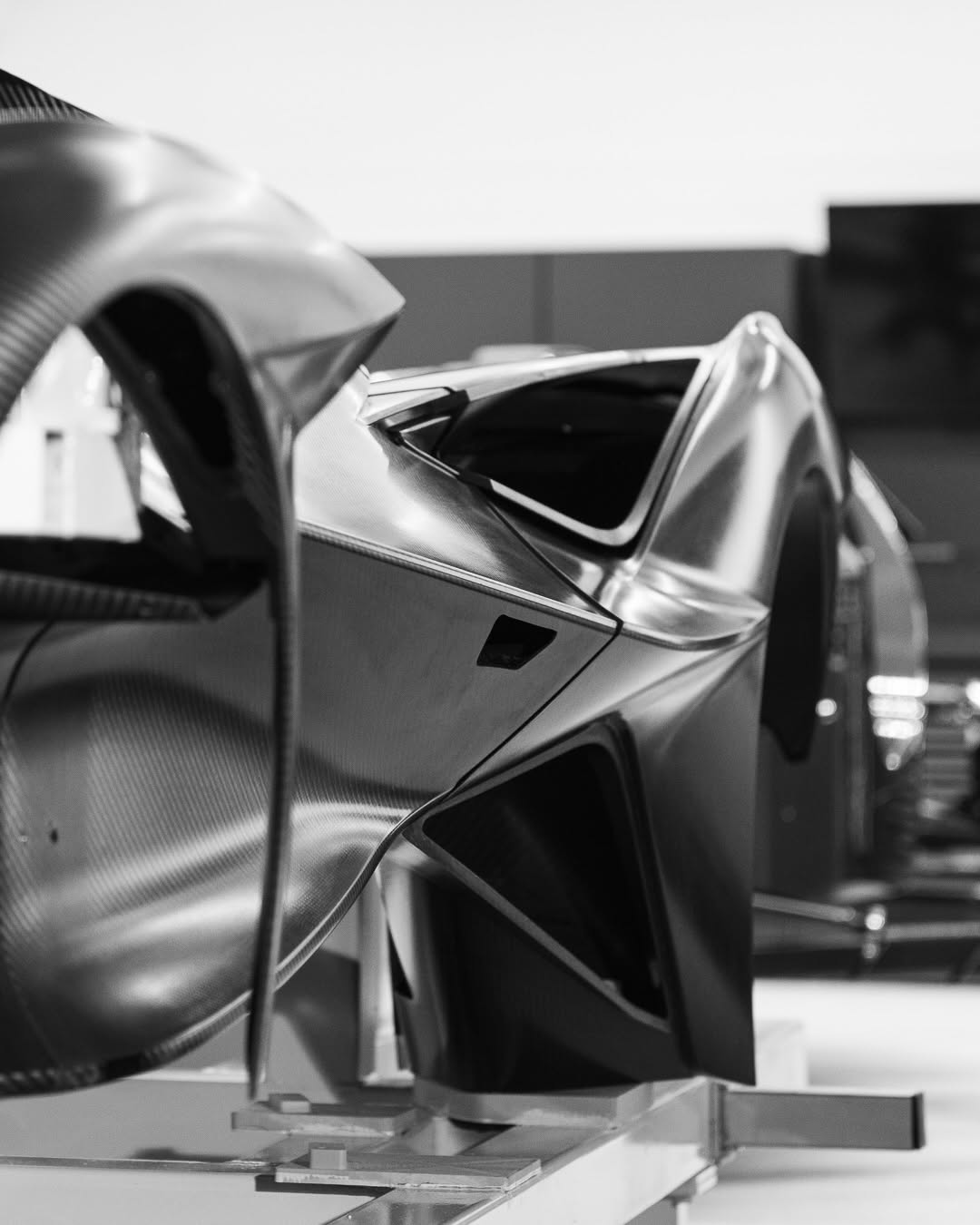
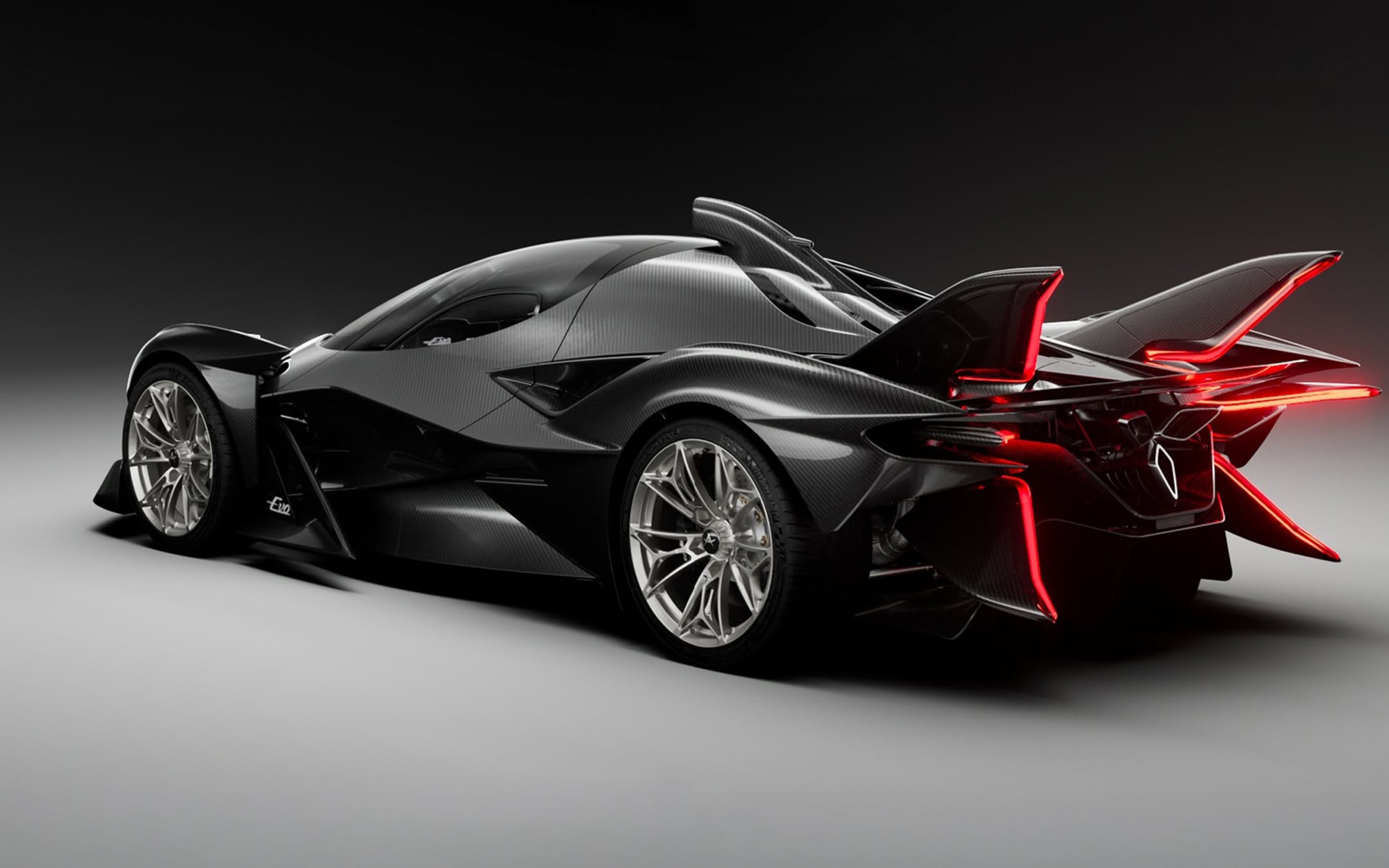
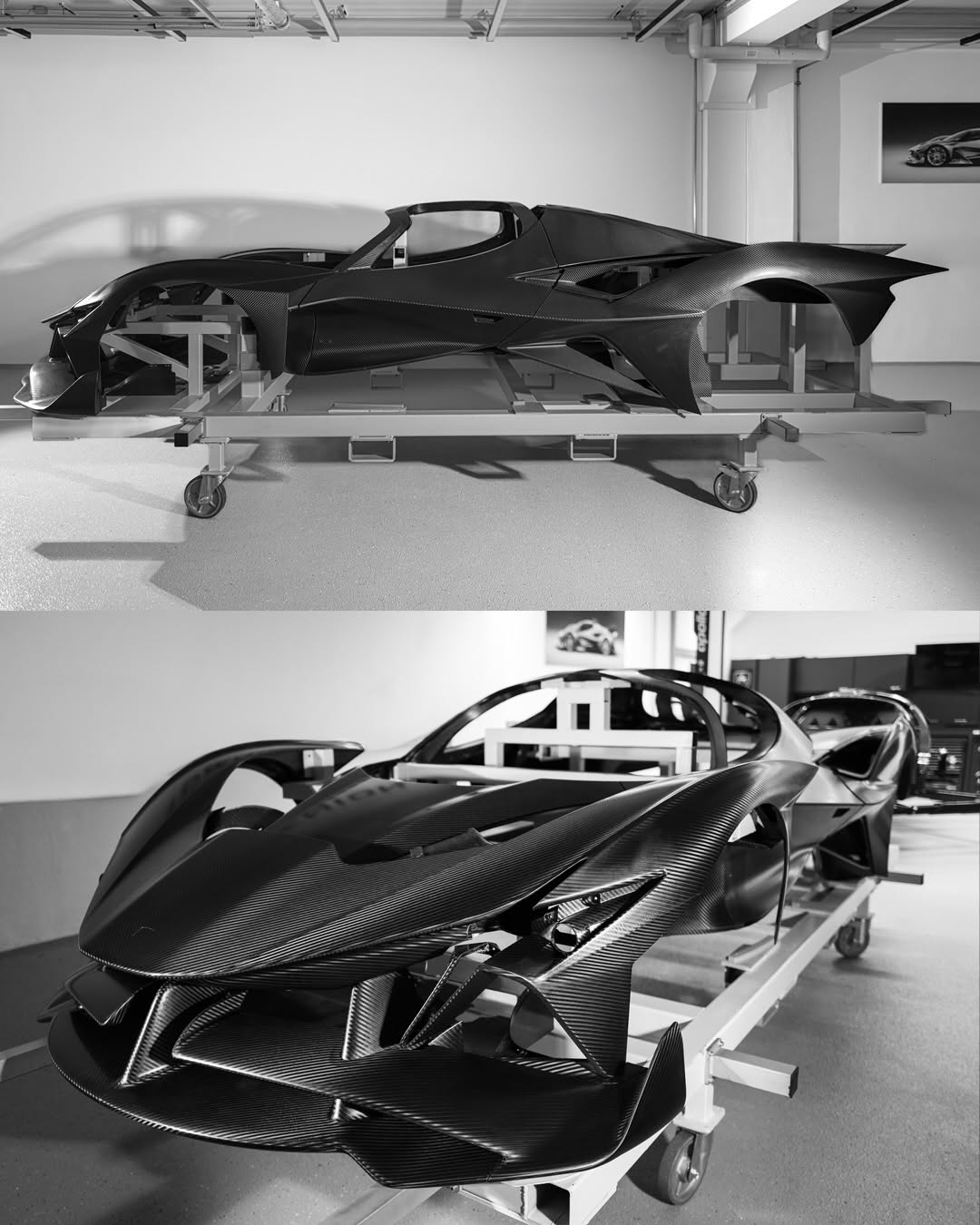
The Apollo EVO is a track-only hypercar produced in a run of ten units worldwide. Each one is priced at approximately €3 million. Each delivers 800 hp from a mid-mounted V12. The carbon fiber monocoque that forms the chassis, the cabin, and the structural core of the car weighs 165 kilograms. There is no production line. There is no standard configuration. Every unit is hand-assembled, and every unit is different.

Apollo Automobil was founded in 2004 and operates at the intersection of motorsport engineering and extreme vehicle design. Its most iconic car, the Intensa Emozione, defined a visual language of exposed carbon and functional aggression that became the design DNA of the brand. The EVO continues that lineage as the company’s most technically uncompromising vehicle, developed in partnership with IDEENION Automobil AG, Apollo’s longtime engineering and design partner based in Germany.
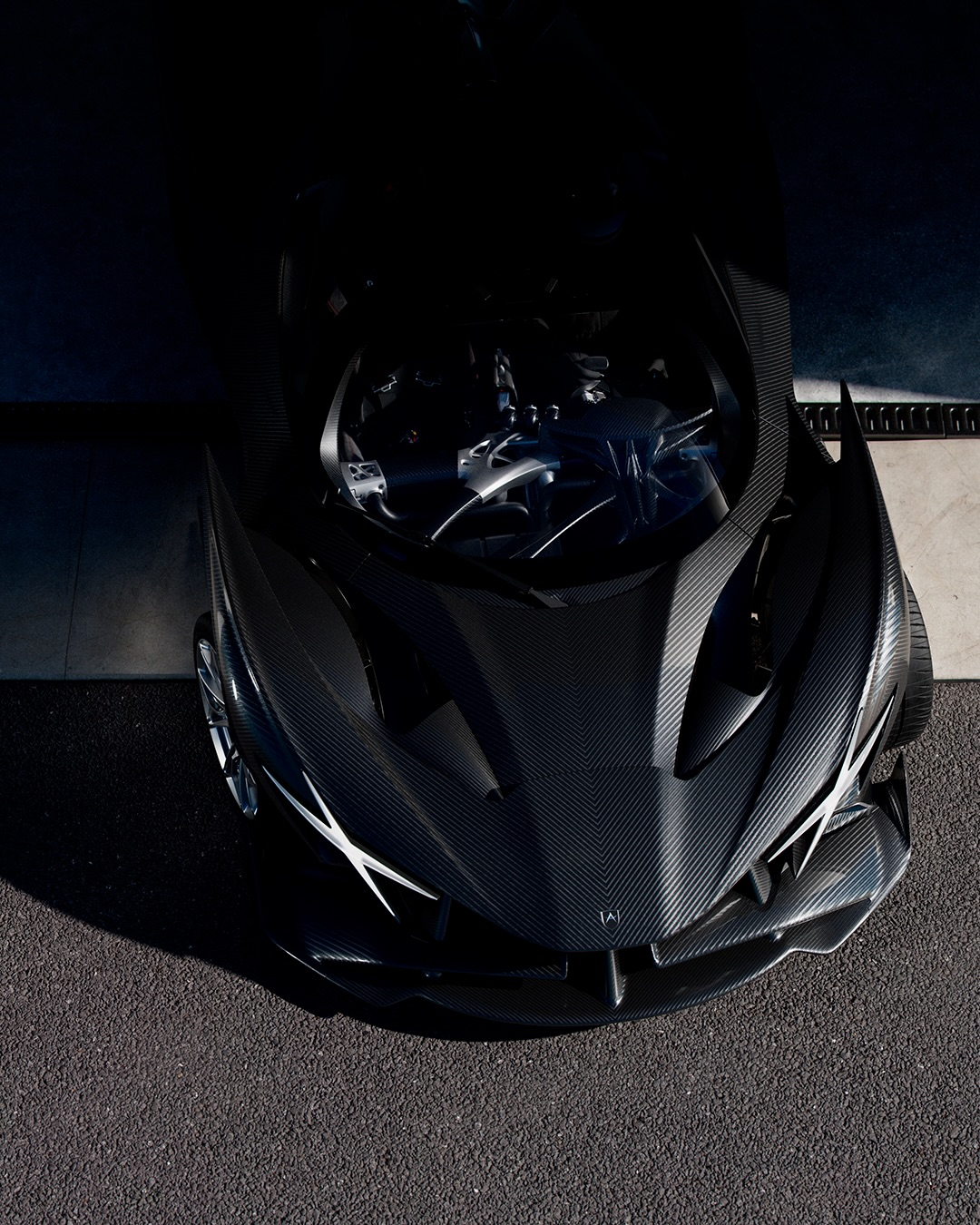
Apollo EVO

Between concept and car

The EVO’s exterior concept was the work of Jowyn Wong, the celebrated designer behind the Intensa Emozione and the De Tomaso P72, first unveiled at the 2021 Shanghai CIIE. A concept of that caliber sets a standard that every subsequent decision has to be measured against.

That is where production development begins. Not by replacing the concept, but by making it real without losing what made it worth building. Panels need correct draft angles. Shut lines need to feel as deliberate as the original sketch. Carbon fiber layups need to negotiate between structural requirements and visual intent. Control assemblies need to integrate into surfaces without disturbing the language they live within. And on a car where the interior structure is the interior design, every material decision is also a structural decision, and every structural decision is visible.

The concept earns the attention. Production design earns the car.

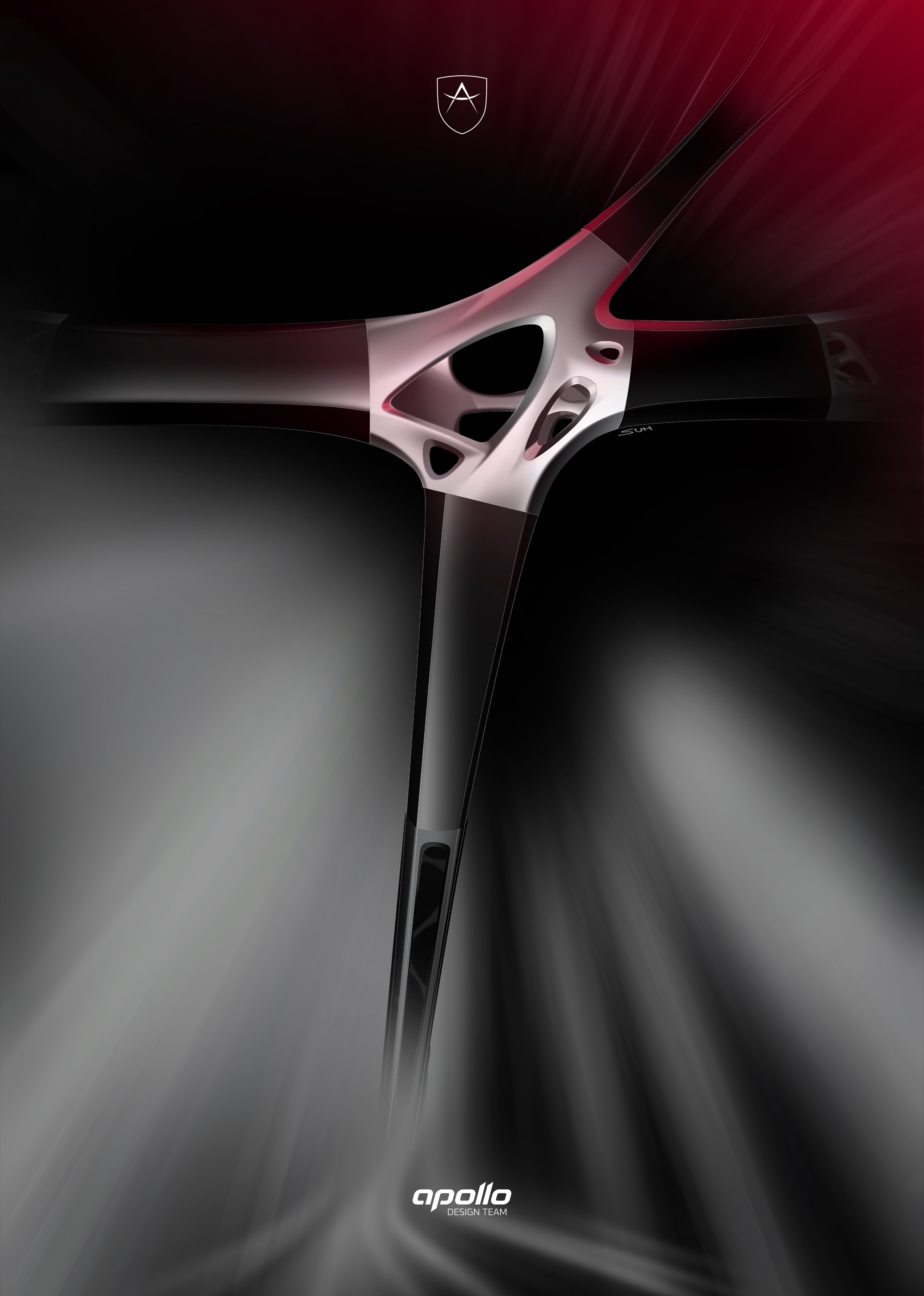
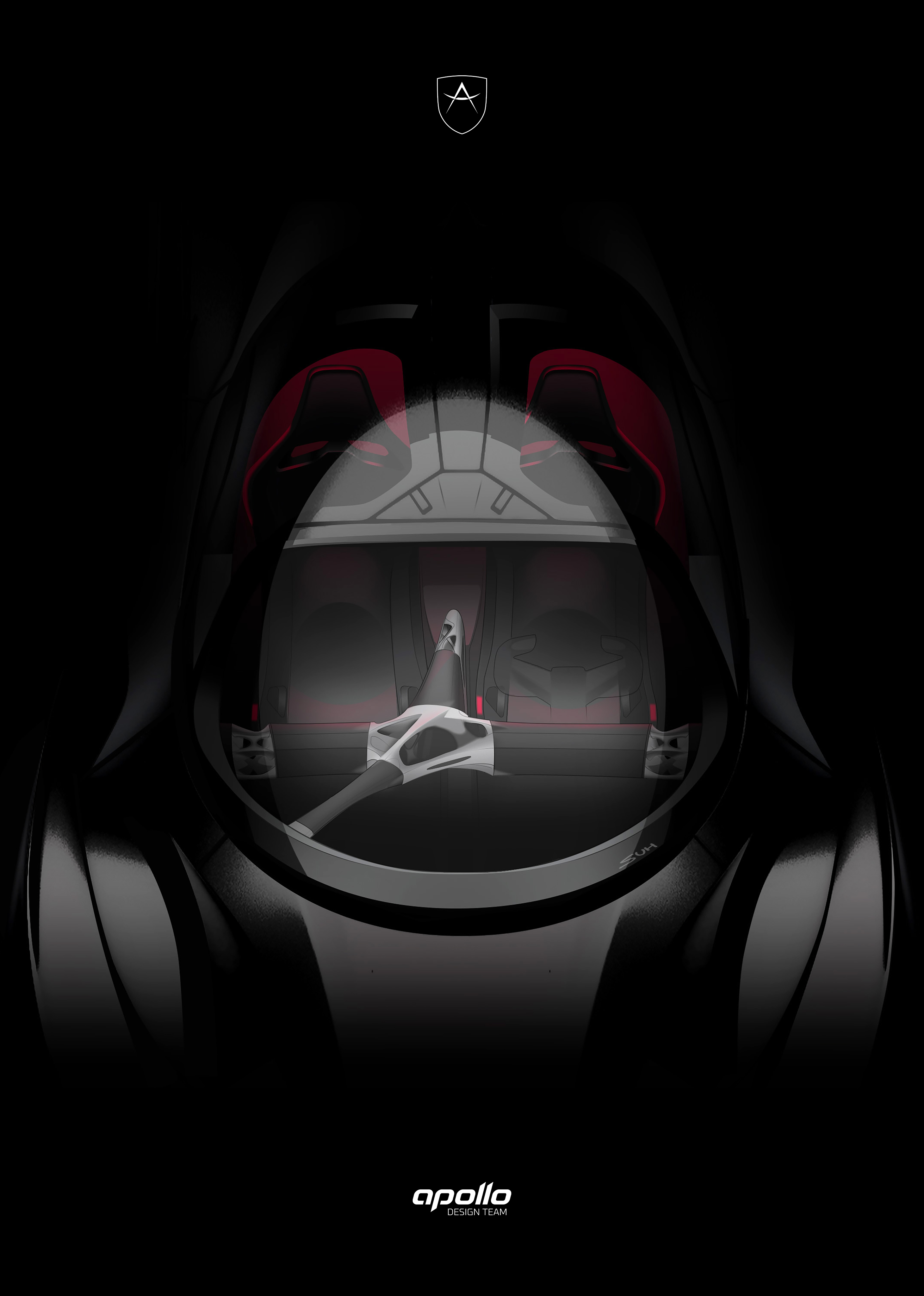
Apollo EVO interior concept sketch

The Challenge

When the chassis and the cabin are the same object.

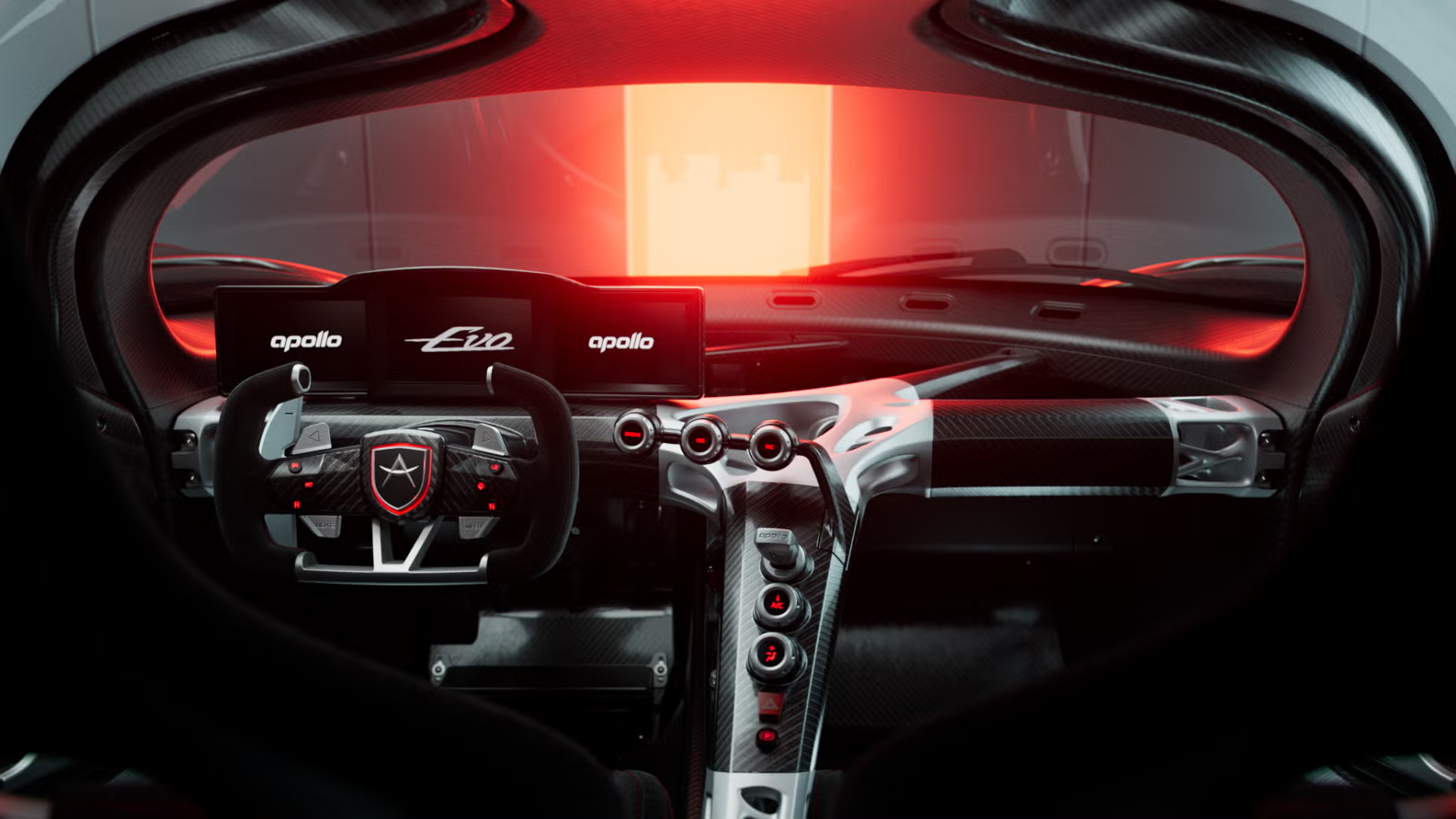
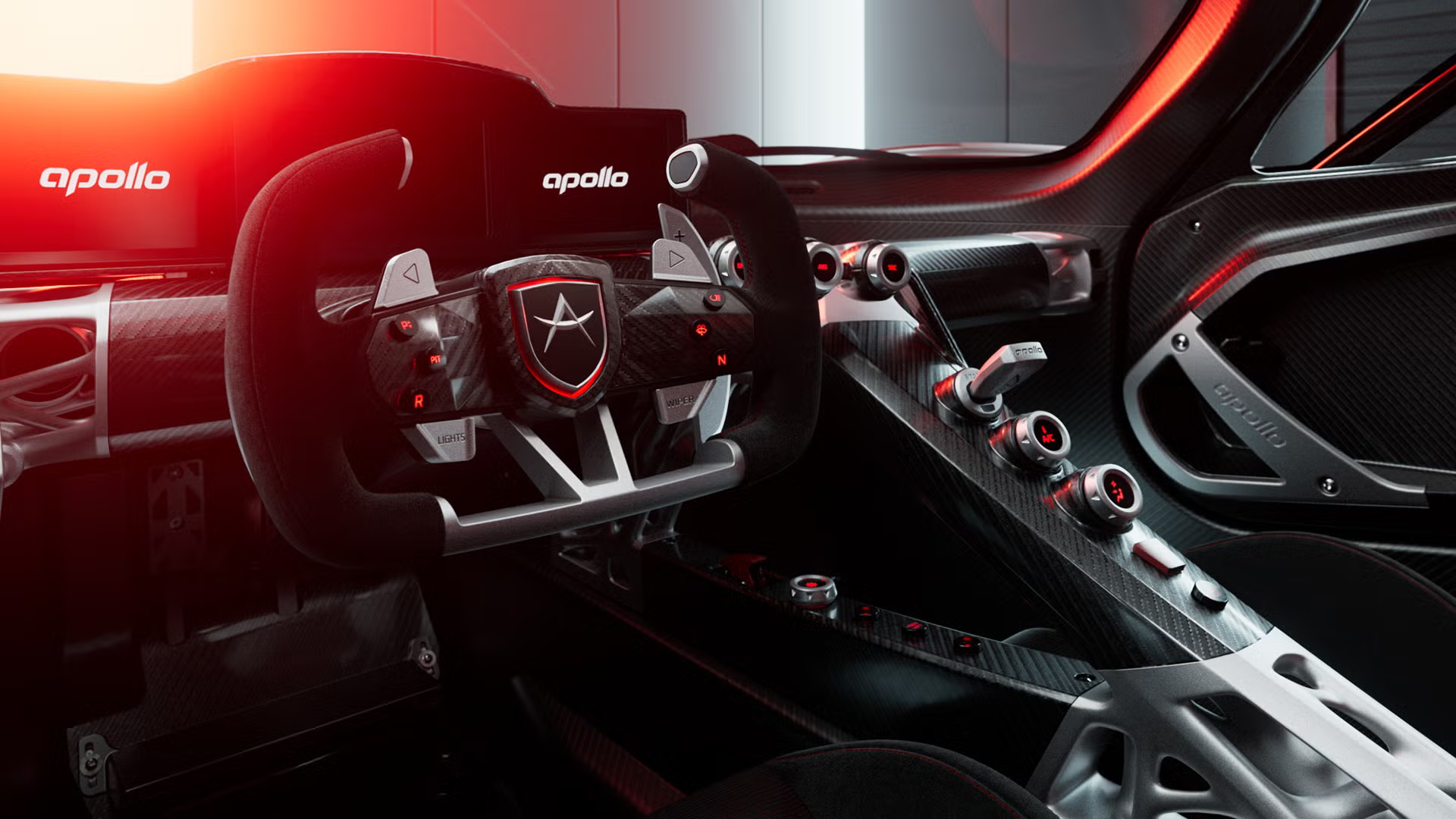
The Apollo EVO’s cockpit has no trim panels. No soft-touch plastics, no leather-wrapped surfaces concealing structure. The driver sits inside the exposed carbon monocoque and sees all of it: the load paths, the structural beams, the aluminum connectors branching between carbon surfaces like bone. Everything is visible because everything was designed to be.

Apollo EVO cockpit

This creates two high-level production design challenges that defined the entire project:

1. Every aesthetic decision is an engineering decision.

The dashboard is a structural beam. The center console channels load paths through the monocoque. You cannot change one element without affecting another. Design intent and structural integrity have to be resolved simultaneously, not sequentially.

2. There is no standard specification.

Ten cars. Ten entirely individual material and color packages. Carbon tub tinting, leathers, Alcantara, stitching patterns, aluminum component tones. Every combination has to be designed, validated, and resolved to the same standard. Scale, in the traditional sense, does not exist here. Depth does.

Apollo EVO interior

My Role

Every surface.

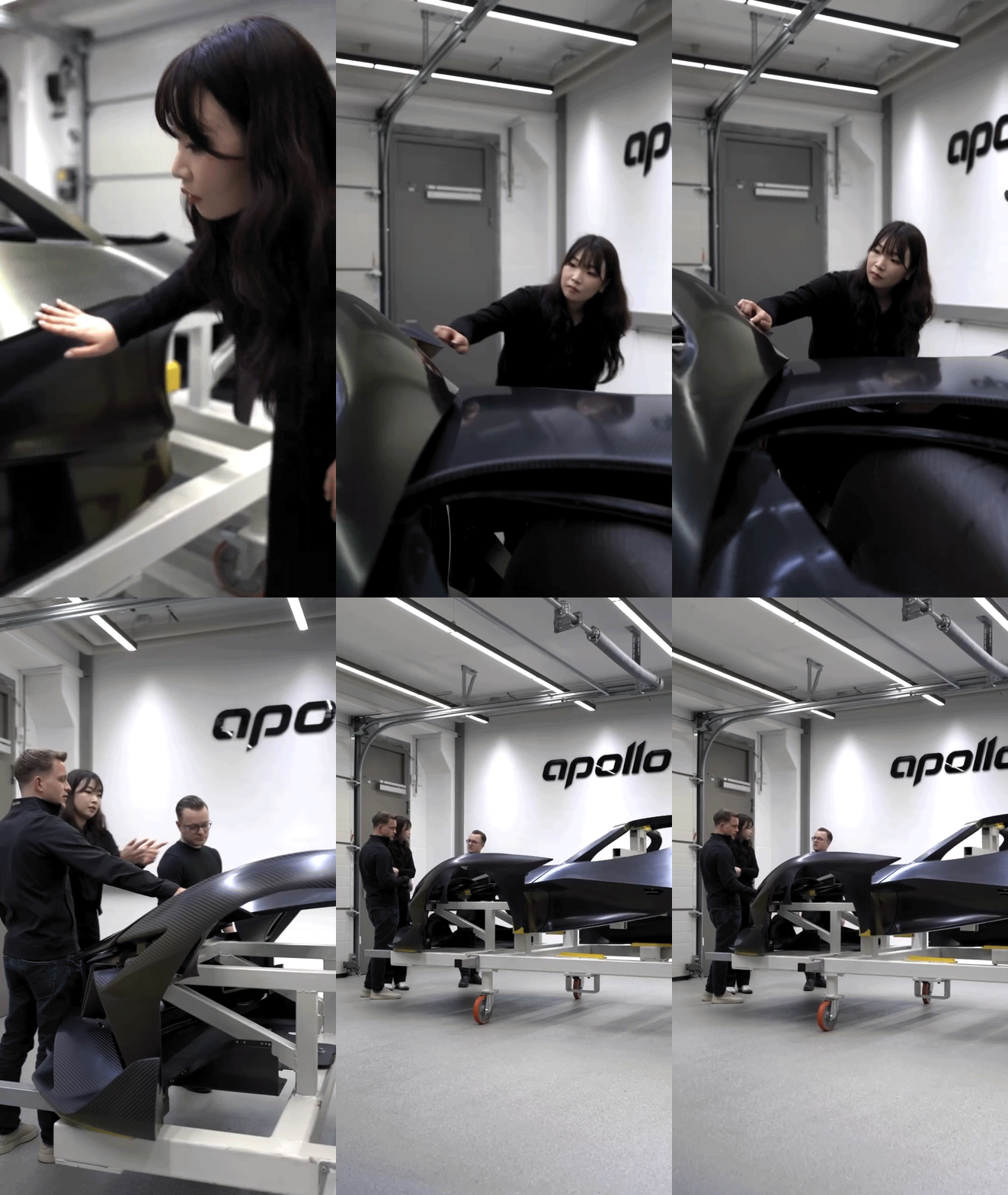
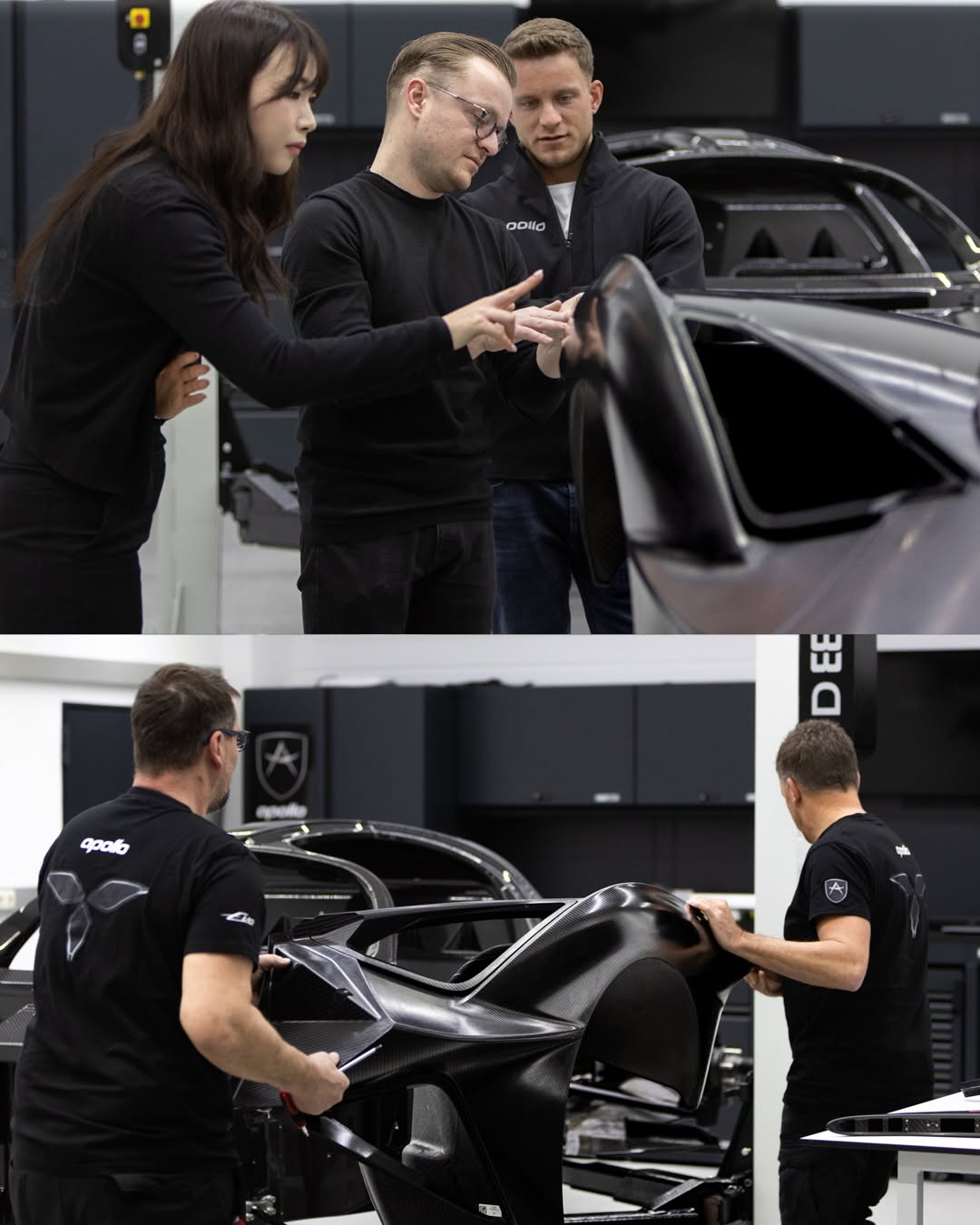
When the Apollo EVO moved into production development, I took on the full production design specification at IDEENION, working in close collaboration with Ideenion and Apollo’s management, engineering teams, CAS modellers, and the manufacturing partners.

My scope covered: complete new interior architecture, exterior component development, CMF specification across all ten units, UI/UX for the cockpit control interfaces, carbon fiber layup direction across all visible surfaces, livery specification, and exhaust design following the visual language of the IE.

This was not a project where design handed off to engineering.

It was a project where design and engineering had to be the same conversation from the first session to the last panel sign-off.

Apollo EVO interior development

Designing around physics

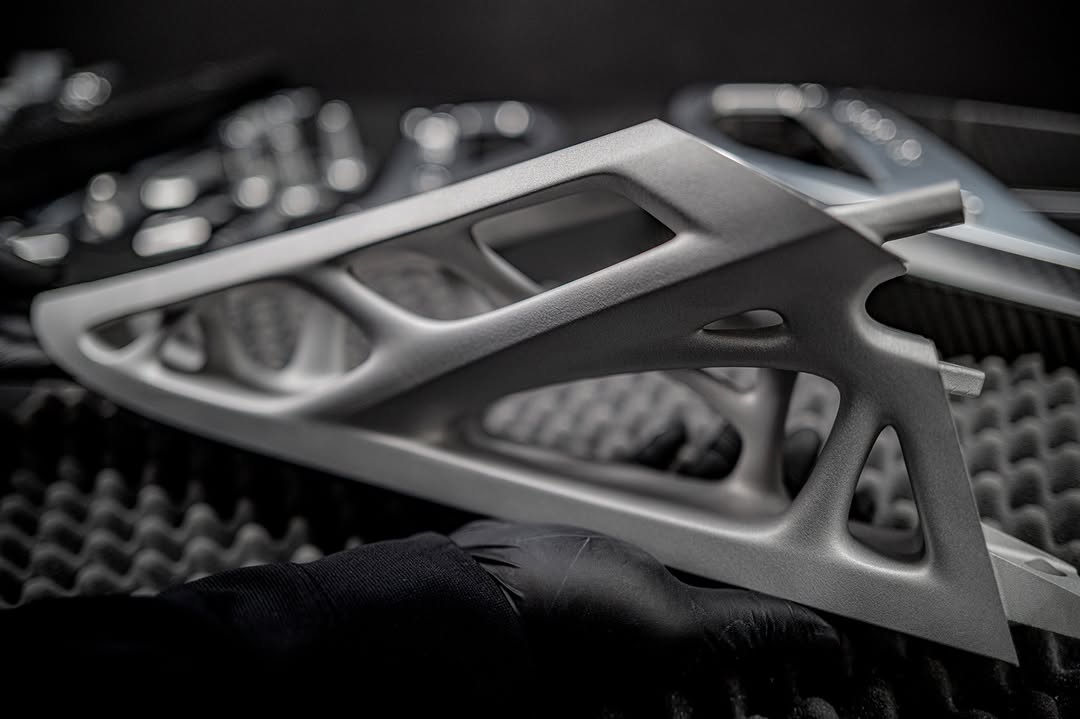
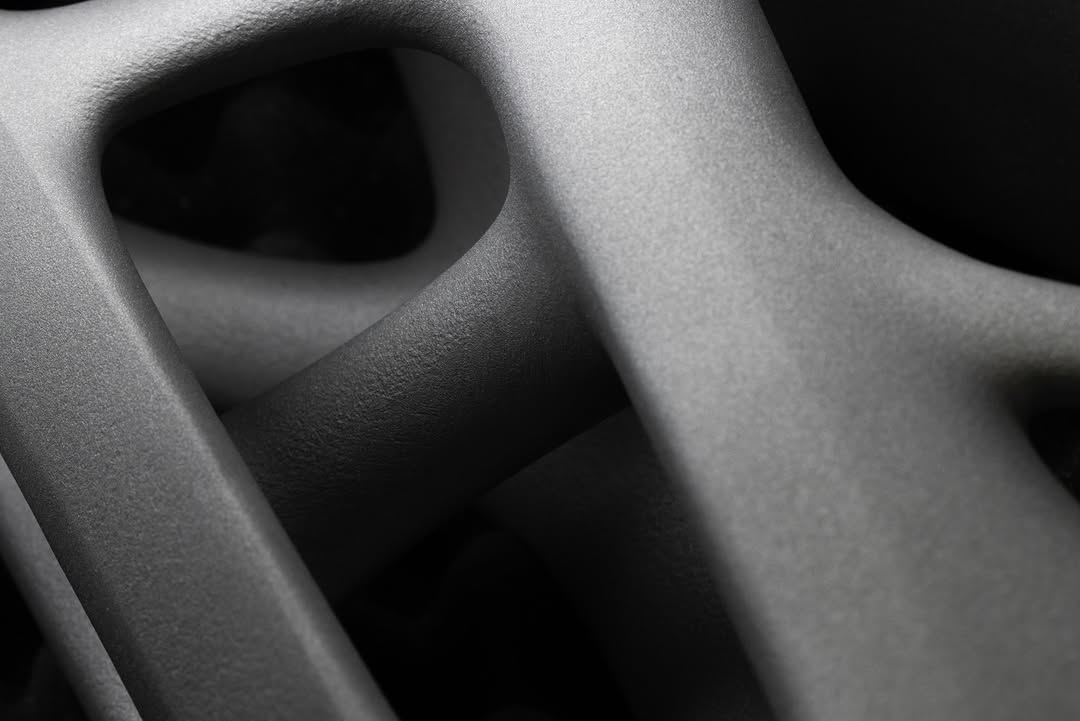
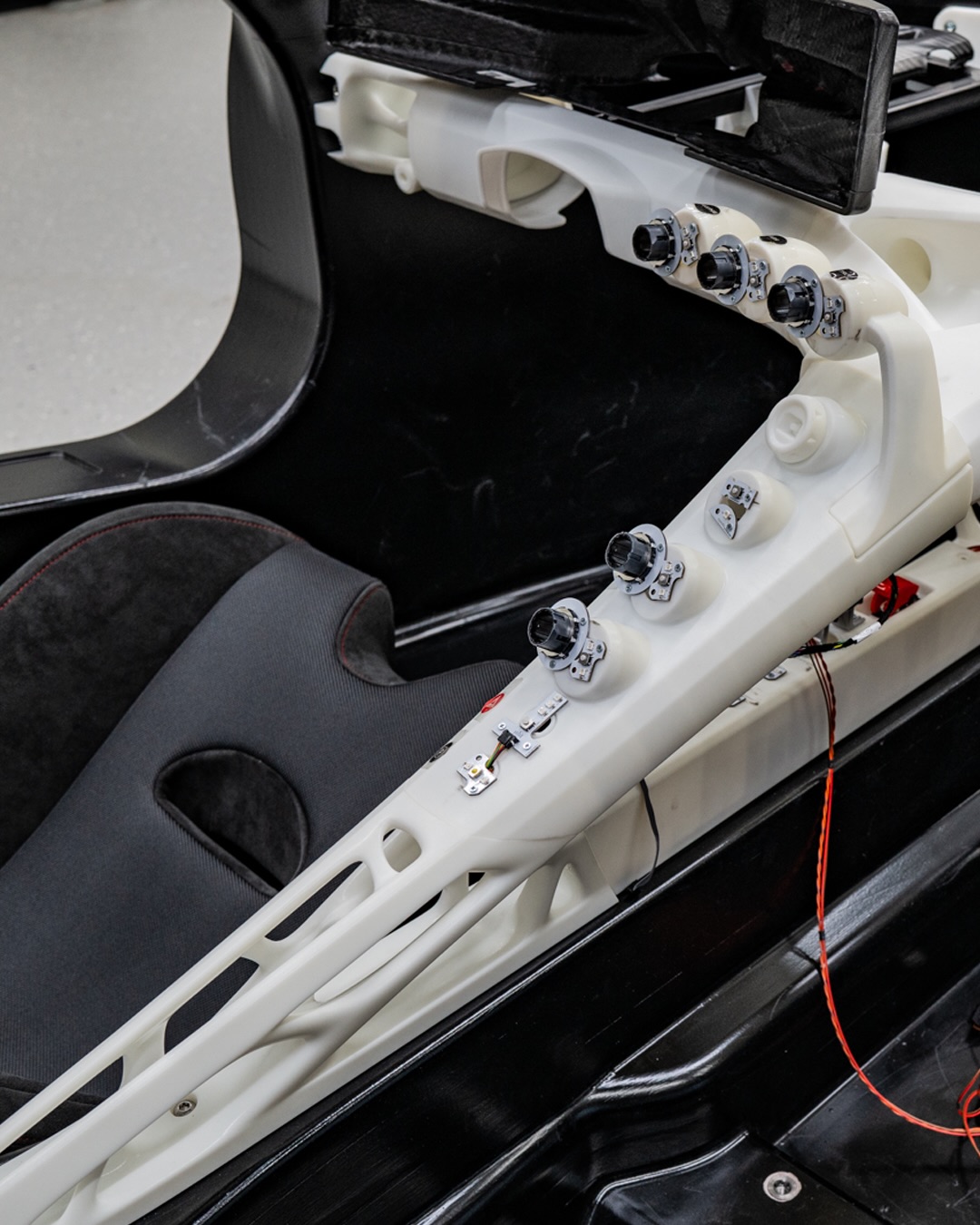
The aluminum connectors throughout the cockpit were not styled. They were generated. Topology optimization software produces bone-like geometries based on the minimum material required for a given structural load, and those outputs became the starting geometry for every connector in the car.

My job was to take those generated forms and manually design every control assembly, mounting point, and surface transition around them, maintaining structural integrity while resolving the visual language consistently across the cockpit.

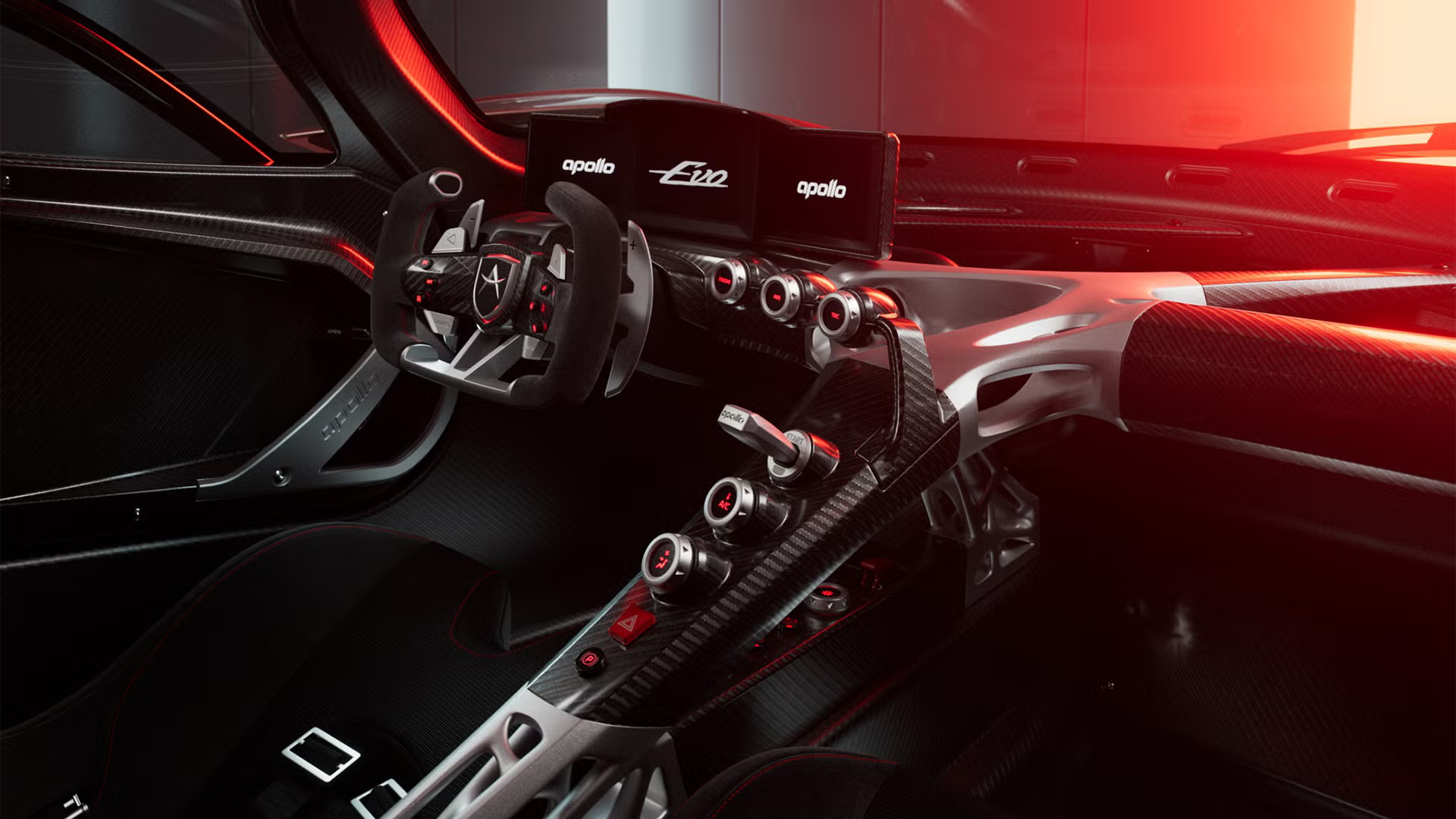
Apollo EVO cockpit detail Apollo EVO cockpit detail

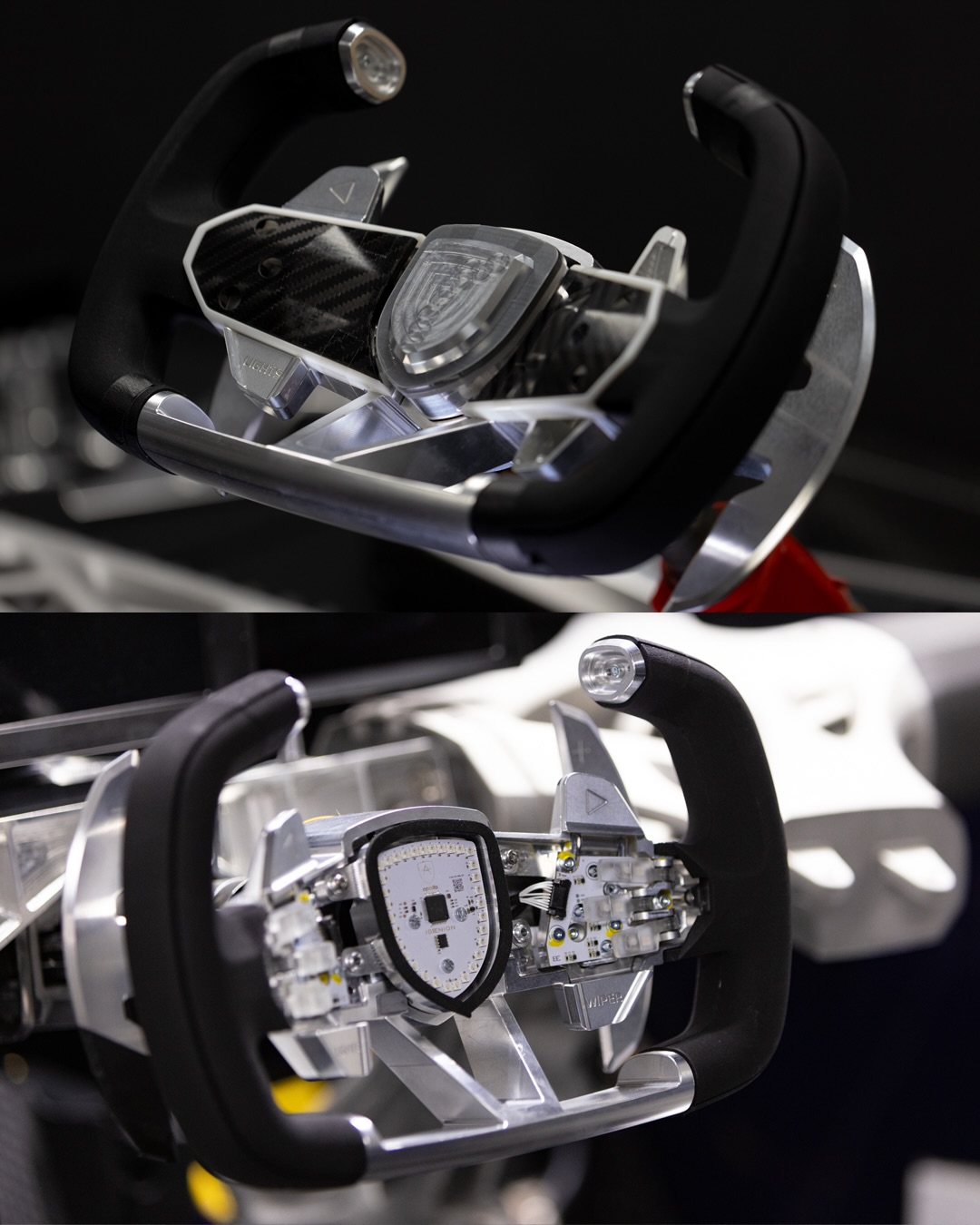
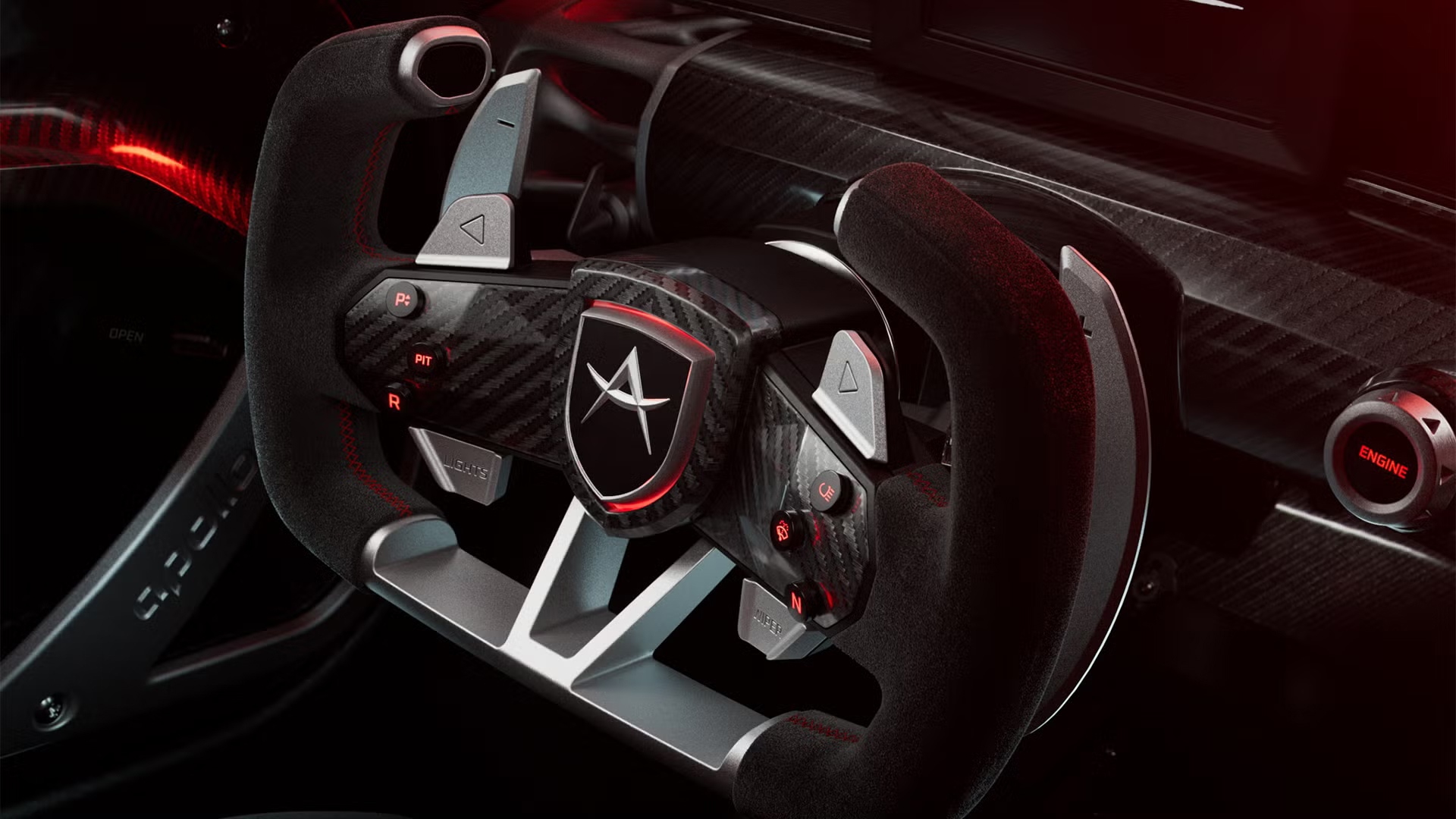
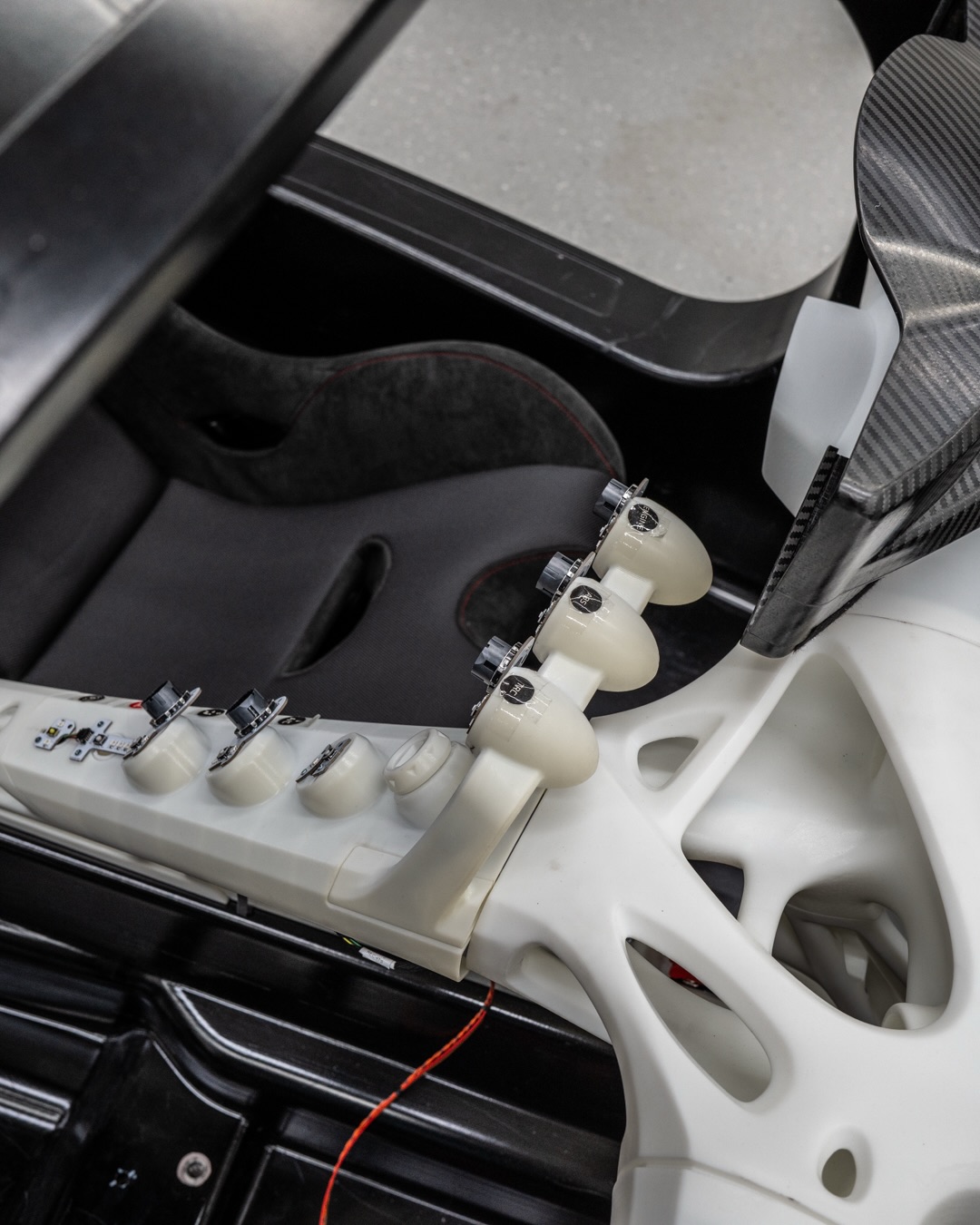
The steering wheel went through dozens of 3D-printed iterations. At the speeds the EVO operates, the driver cannot look for a button. Button placement is a spatial memory problem, not a visual one. Every control had to be locatable by feel alone, tested on hands of different sizes. That process of iteration, printing, testing, and revising is invisible in the final car but represents some of the most critical design work in the program.

Apollo EVO steering wheel development Apollo EVO interior detail

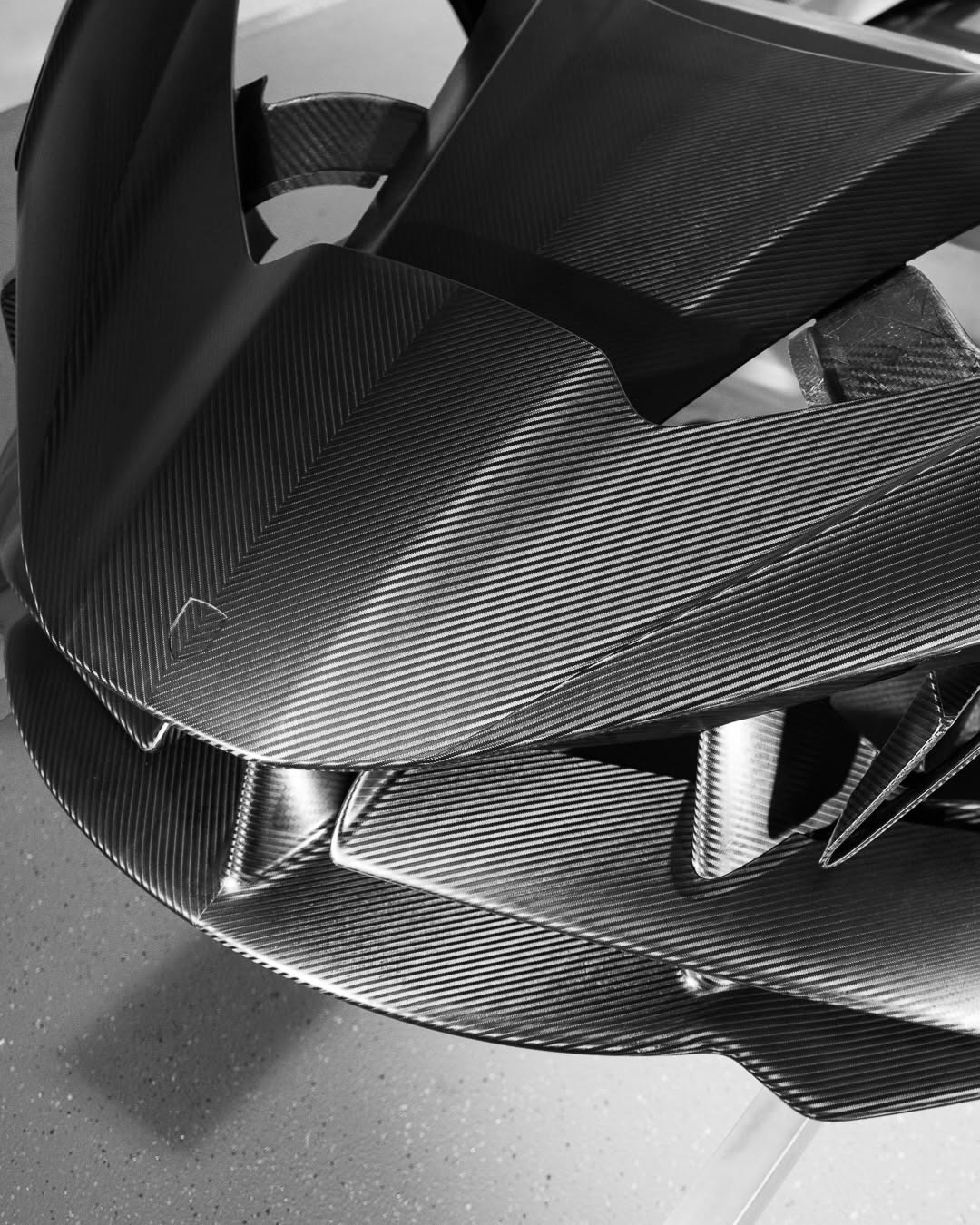
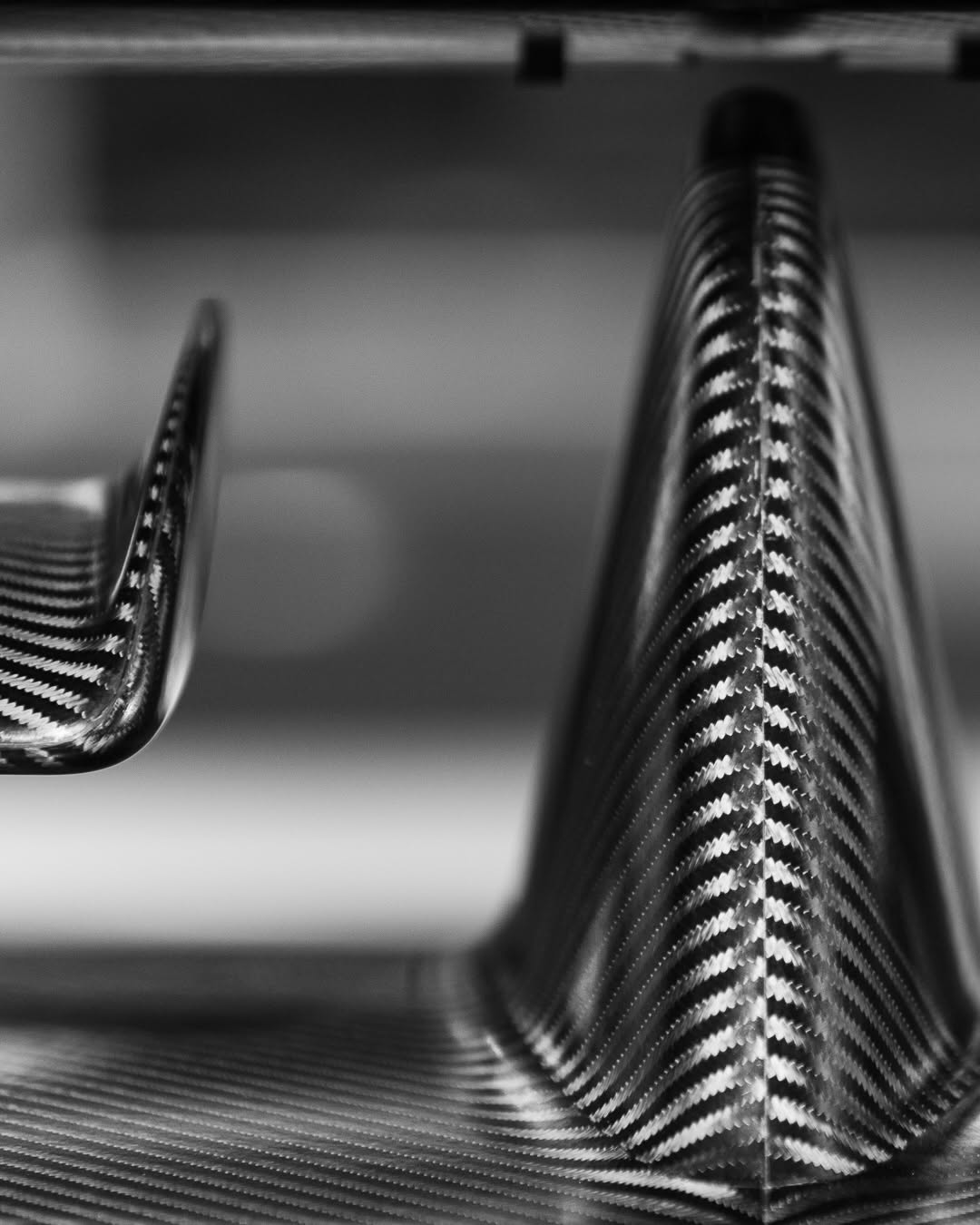
On a vehicle where the weave is never hidden, the direction of each panel’s fiber orientation is a visual decision. It also directly affects structural performance. Every panel required a negotiation between the two, documented and resolved before fabrication.

Carbon fiber detail Carbon fiber detail Carbon fiber detail

Ten cars, ten identities

Because production is limited to ten units, there is no standard specification and no standard customer. Through Apollo’s FORGE program, each owner receives a fully bespoke material and color package. My role is to design the full CMF system that makes that possible.

The design challenge here is not volume. It is coherence under individual constraint. Each car has to feel complete and intentional on its own terms while all ten cars have to belong unmistakably to the same object. That requires a system, not just a palette. We built the FORGE CMF framework to give every combination a clear logic, so that no owner receives a package that is simply assembled from options, but one that reads as a considered design decision from beginning to end.

Apollo EVO FORGE CMF

No two EVOs will look the same. All ten will be unmistakably EVO.

What got delivered

The full production design specification for the Apollo EVO encompasses:

Interior architecture. A ground-up redesign of the cockpit from structural base to finished specification. Every surface intersection between the carbon fiber monocoque, the dashboard beam, the topology-optimized aluminum connectors, and the driver-facing surfaces was resolved, documented, and signed off for production. Every single button.

UI/UX. Cockpit control logic and interface layout designed for use at speed, with zero reliance on visual reference. Every input had to be locatable, identifiable, and operable without the driver’s eyes leaving the road.

Apollo EVO cockpit controls

Exterior components. Full production development of all exterior panels, including headlamp and rearlamp unit design and the component-level work required for production homologation. Every surface transition had to earn its place on a car where nothing is decorative.

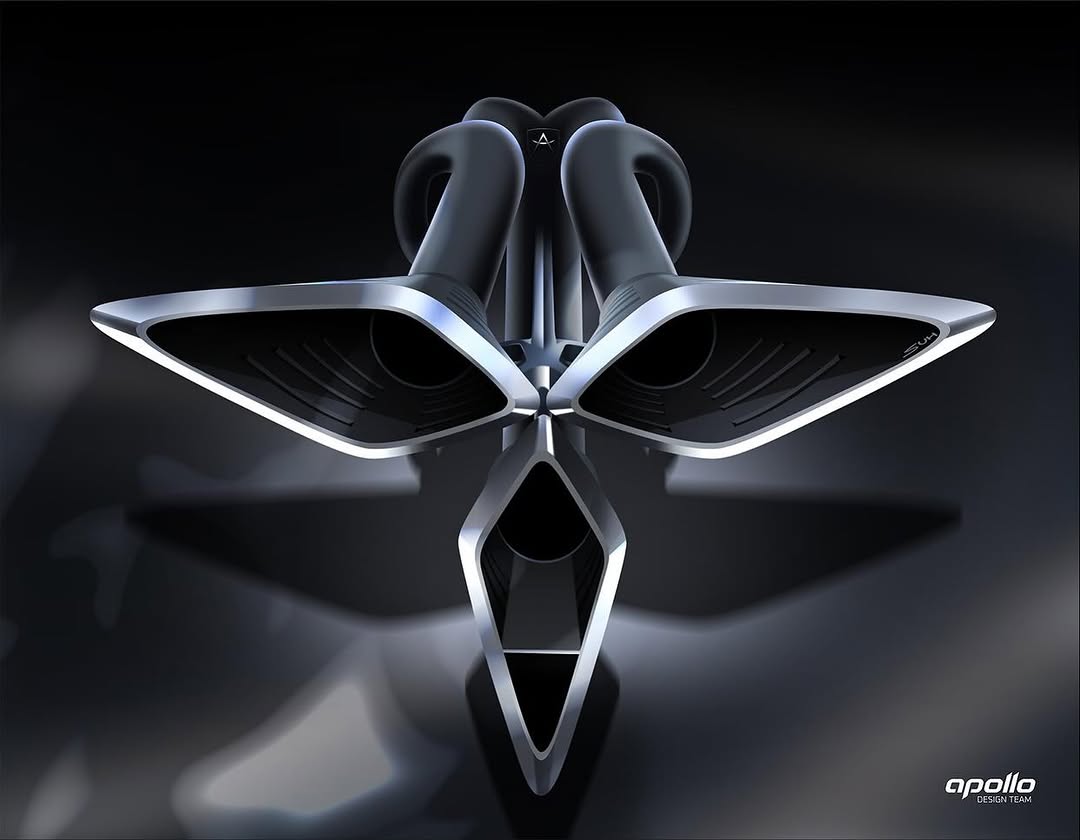
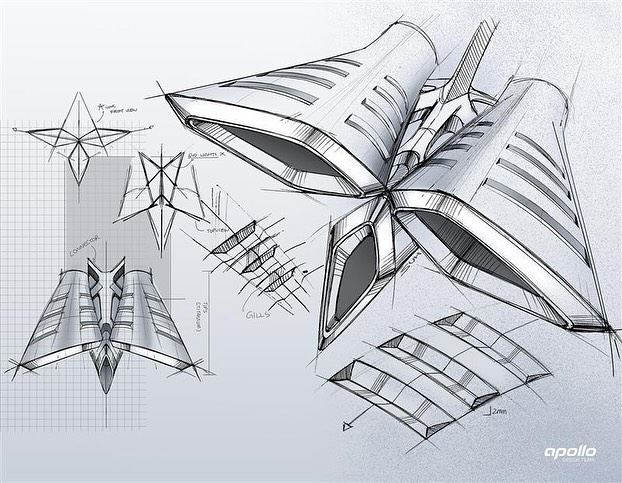
Exhaust design. Developed following the visual lineage of the IE exhaust architecture, connecting the EVO to Apollo’s design history while meeting the functional demands of an 800 hp track car.

Apollo EVO exhaust design sketch Apollo EVO exhaust design sketch

Livery specification. A complete livery system giving each owner the ability to personalize within the EVO visual language, without ever stepping outside it.

FORGE CMF packages. Ten fully individual material and color specifications, each resolved as a complete and coherent design package. Not ten selections from a menu, but ten considered design outcomes.

What this project taught me about leading design at the edge of engineering

#1. Sequential handoffs cost you the whole project. In most vehicle programs, exterior design finishes and then interior begins, and then CMF follows. On the EVO, that sequence would have been a failure. Because the structure is the design, decisions made in one discipline immediately constrain the others. The only way this project worked was treating design and engineering as a continuous conversation.

#2. System thinking matters more than decision quality when you’re the only designer. They have to be managed as a system with internal logic. Building the FORGE CMF framework before specifying a single car was the decision that made the rest of the process possible. Without a system, you are just reacting. With one, every decision has a reason.

#3. Physical iteration is non-negotiable at this level. The difference between a button placement that works and one that causes a driver to break concentration at 300 km/h is not visible on a screen. You have to build it, hold it, and feel it. At this performance level, the standard for physical design resolution is not what looks right. It is what works under the most demanding conditions the car will ever face.

#4. Working at low volume teaches you that every decision is permanent. In a high-volume program, a bad decision in production can be corrected in the next model year. With ten cars, there is no next model year. Every resolved surface, every shut line, every stitching specification ships and exists permanently. That changes how you make decisions. It makes you slower and more deliberate in the right places, and faster and more confident in the places where the system has already given you the answer.

Apollo EVO Apollo EVO

Shout-outs

To the engineering team at IDEENION and Apollo whose structural work gave every surface its reason. To the CAS modellers who translated intent into manufacturable geometry without losing the original language. To Marko, COO of IDEENION, who was present for every difficult call, every direction change, and every moment this project needed someone to push it forward. The design exists because of the structure he built around it. To Niko, CEO of Apollo, whose enthusiasm for the work never wavered. And to Lorenz, CDO of IDEENION, for handing over full design authority on this program to me.

Apollo EVO Apollo EVO team

The first Apollo EVO is currently being assembled. Ten will ever exist.

Apollo EVO